


Interview with H.E. Mr. Worawoot Pongprapapant, Ambassador of Thailand to Finland - What are the main sectors driving Thailand’s economy today?

Thailand’s estimated GDP for 2025 is around $558-$561 billion USD, with the growth forecasted to be around 2.5%. Our economy is primarily driven by tourism and exports sectors. In tourism, Thailand is among the world’s most visited country by tourist arrivals. We welcomed more than 32 million foreign visitors, not very far from the pre-pandemic levels now. Our renowned medical and wellness segment is the sector to be mentioned as a powerful engine for this development. Factors such as an aging society, longer life expectancy, and lifestyle-related diseases all support this stable and non-cyclical growth.
Similarly, in exports, it accounts for over 60% of our GDP, and 2025 is an impressive year for us. Despite challenges like global trade uncertainties, including potential US tariffs and slowdown in agricultural exports, we still enjoyed a strong growth, and witnessed double-digit expansion of more than 12% for most of the year. Sectors performing very well are electronic components, automotive, industrial goods, and high-value agricultural products. We also witnessed a newfound growth in electronics and data center business.

What are the key challenges facing Thailand’s economy in the 2020s?
Thailand shares the difficulties facing our economic growth with the rest of world, especially the ever-increasing tariff barrier among trade partners, disruptions of supply chains, and geopolitical volatility. These overarching global trends are undeniably the first of major challenges we have in front of us. These global trends heavily affect our internal economic situations and economic growth.
Climate changes and natural disasters are also no doubt a major challenge we share with our global community. Major flood in the South of Thailand this year greatly affected the economy and people’s livelihood, causing more than 750 million USD in damage. Effective recovery campaign, as well as long term preventative policy to alleviate the ever-increasing trend of major scale disaster is an urgent mission we need to pursue.
What government initiatives support innovation and sustainability in Thailand?
We have a crystal-clear view and intention to transform our economy and society into a more innovation-driven and technology-centric model. We aim to build our economy through the integration of digital technologies, automation, and creativity. Using SCI (science, technology, and innovation) to increase productivity and to develop industrial standards throughout the value chains is our prime focus. We believe that this strategy will enable us to compete more effectively in a higher level.
So far, significant investments are being made by the government to enhance our digital infrastructure, especially the expansion of high-speed internet and data centers, to support and promote the use of digital technologies across all sectors. We believe that this is a vehicle to foster our growth. We will not only put our focus on new technologies such as AI, robotics, but also be providing support for startups, tech companies, and digital entrepreneurs. Several initiatives, including the “Digital Economy Promotion Agency” (DEPA) and the ‘Thailand 4.0 Fund,’ are put in place to provide funding and resources for innovation, digital transformation, and the development of new industries. We have also streamlined several key regulations to promote strong collaborations between the public and private sectors. These partnerships play crucial role in fostering innovation and can ensure that business have the support they need to grow.
In addition to the digital economy, Thailand is solidifying our role as the “Detroit of the East” for Electric Vehicles (EVs), making use ofmajor investments from Japan, Korea, and increasingly China and a growing domestic market for battery electric vehicles (BEVs).
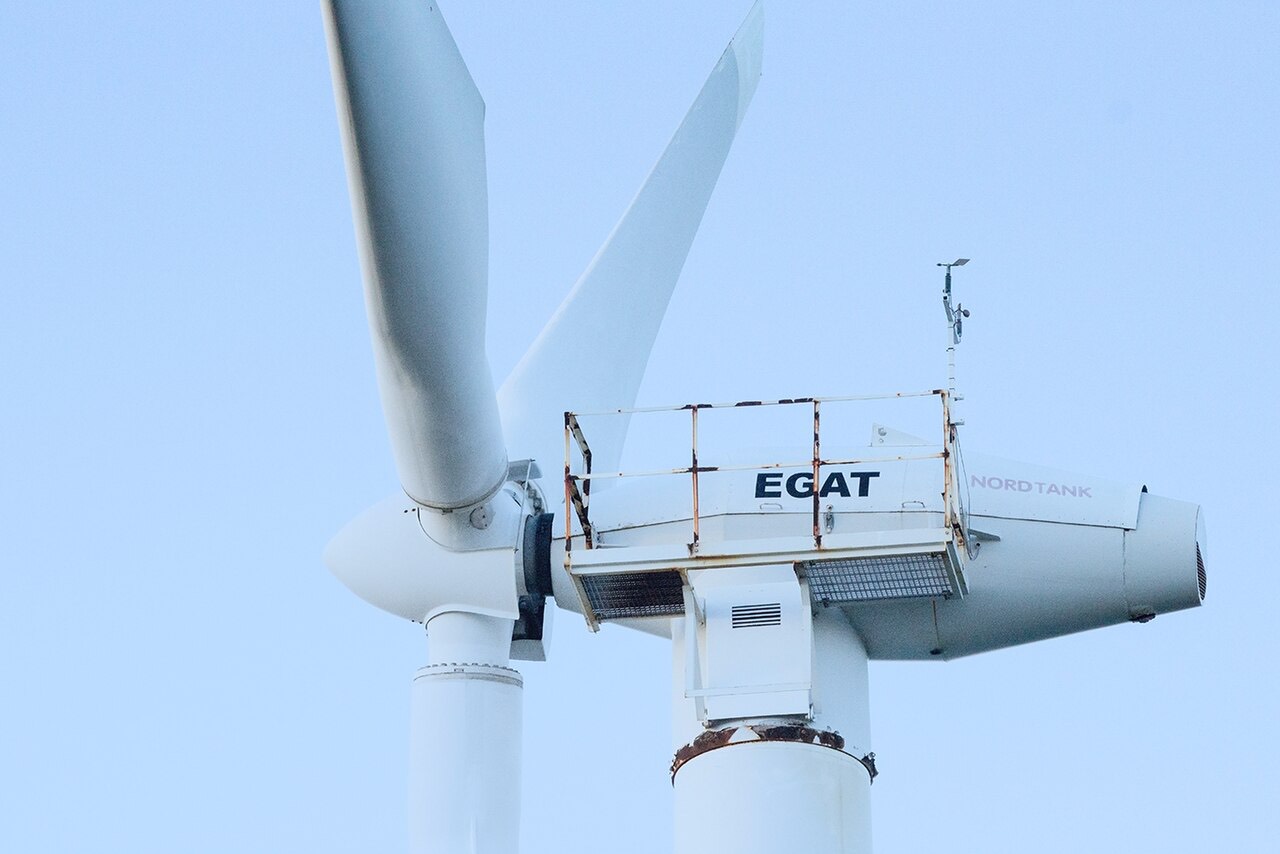
Smart Agriculture and Clean Energy are emerging growth sectors in our economy. We are working tirelessly to transform our agriculture business toward AgriTech to improve farming efficiency and food security. We are also promoting clean energy sector by expanding renewable energy investments to improve clean energy infrastructures for both private and industrial consumptions. In this regard, we have a clear view to achieving carbon neutrality by 2050 and net-zero by 2065. Our ambitious renewable energy targets is to use electricity from renewable source for over 50% of overall consumption by 2037.
What incentives does the Board of Investment (BOI) provide to foreign companies?
Under our INVESTMENT PROMOTION ACT, our Board of Investment (BOI) provides both tax incentives and non-tax incentives to foreign investments. These incentives include, but not limited to, exemptions and reductions of import duties on various sectors like machinery, R&D purposes, and essential materials, reduction on cost of installation of foreign business facilities, and 50% reduction of corporate income tax.
In line with what I have said earlier, our BOI have placed their priorities investments in all the sectors mentioned before. In Digital economy, priority is given to sectors such as software development, data centers, cloud services and fintech. In High-Tech Manufacturing, we focus on Electric vehicles (EVs) and components. Similarly, Bio-Circular-Green (BCG) Industries, such as agriculture and agro-industry, biotechnology, and renewable energy are also among our top priorities.

How is the Thailand-EU Free Trade Agreement expected to impact Finnish Businesses?
During the last 5 years, Thailand and Finland enjoy a slow but steady growth, with Finland enjoying approximately 200 million USD trade surplus. The major exports of Finland that is in line with demands from Thailand are telecommunication and electronic devices, products from forestry, as well as animal and agricultural products. These exports can expect a noteworthy growth after a conclusion of our Thailand-EU FTA negotiation.
In addition to increasing trade volume, launching the FTA also means eliminating tariffs and reducing non-tariff barriers for several high-impact industries. Finnish business sectors that can expect to gain an improved market access is those in chemicals, pharmaceuticals, dairy products, as well as high-tech machinery industries. The FTA will also likely open doors for financial services, insurance, telecommunications, and environmental services.
Differently from the first-generation trade agreement, the Thailand-EU FTA places an emphasis on Environmental Protection where sustainability standards to support a green economy is promoted. Additionally, dedicated chapters focused on helping Small and Medium-Sized Enterprises to make a full use of this trade regulations are also being discussed.
The Thailand-EU FTA is also providing options for a market diversification. Clearly our companies can shift their exports from high-tariff markets, like those impacted by US tariffs, to other markets with lower or zero tariffs.
How is Thailand addressing digital transformation and green economy goal.
I have already given comments on this issue in previous questions.
How is Thailand considered a strategic hub for ASEAN trade and logistics?
Thailand is located in a location that is both geopolitically and economically advantage as the center of the mainland South East Asia. We open and commit to accommodate flows of goods and services from and through. Our ongoing efforts to develop and maintain a reliable infrastructure system for physical, institutional, and people-to-people connectivity point to one direction, which is to make Thailand even more sexy and attractive to foreign investment. And this has remained one of our strongest advantages in developing our economic resilience.
However, such conditions do not come with challenges. The ever-changing and volatile nature of geopolitical influences from the East and the West of our countries demand us to always remain vigilant and look for a sustainable and reliable trade ways to ensure our economic resilience. Connecting our country through regional initiatives such as BIMSTEC with South Asia, Belt and Road Initiative with China, APEC with the Asia-Pacific economies, as well as potentially Free Trade Agreement with the EU, will be essential to keep our economic activities lasting and sustainable.

What is your main aim during your stay in Finland?
I believe I could be the facilitator and promoter to put Thailand into the spotlight for the growing sector of Finland to notice and connect with us more. The digital economy, innovative products, as well as ever-growing start-ups are on the rise for both of our countries, and these sectors are ‘hungry’. ‘Hungry’ people will be active in looking for opportunities, seeking deals, and willing to explore and venture into unknown territory. I would like to help these high potential sectors to achieve what they want while bringing our two countries closer at the same time.
November last year marked the very first time that our individual startup companies participated in SLUSH 2025 right here in Helsinki. That move has made Thailand the first ASEAN country to have an official participation at the event. I believe this is the first big step for our new generations of entrepreneurs to connect with each other, and lead to many more opportunities that ensure prosperity for both our economy and people.
Questions: Anne Hatanpää
Answers: H.E. Mr. Worawoot Pongprapapant, Ambassador of Thailand to Finland
 Takaisin uutiset-sivulle